For optimal reading, please switch to desktop mode.
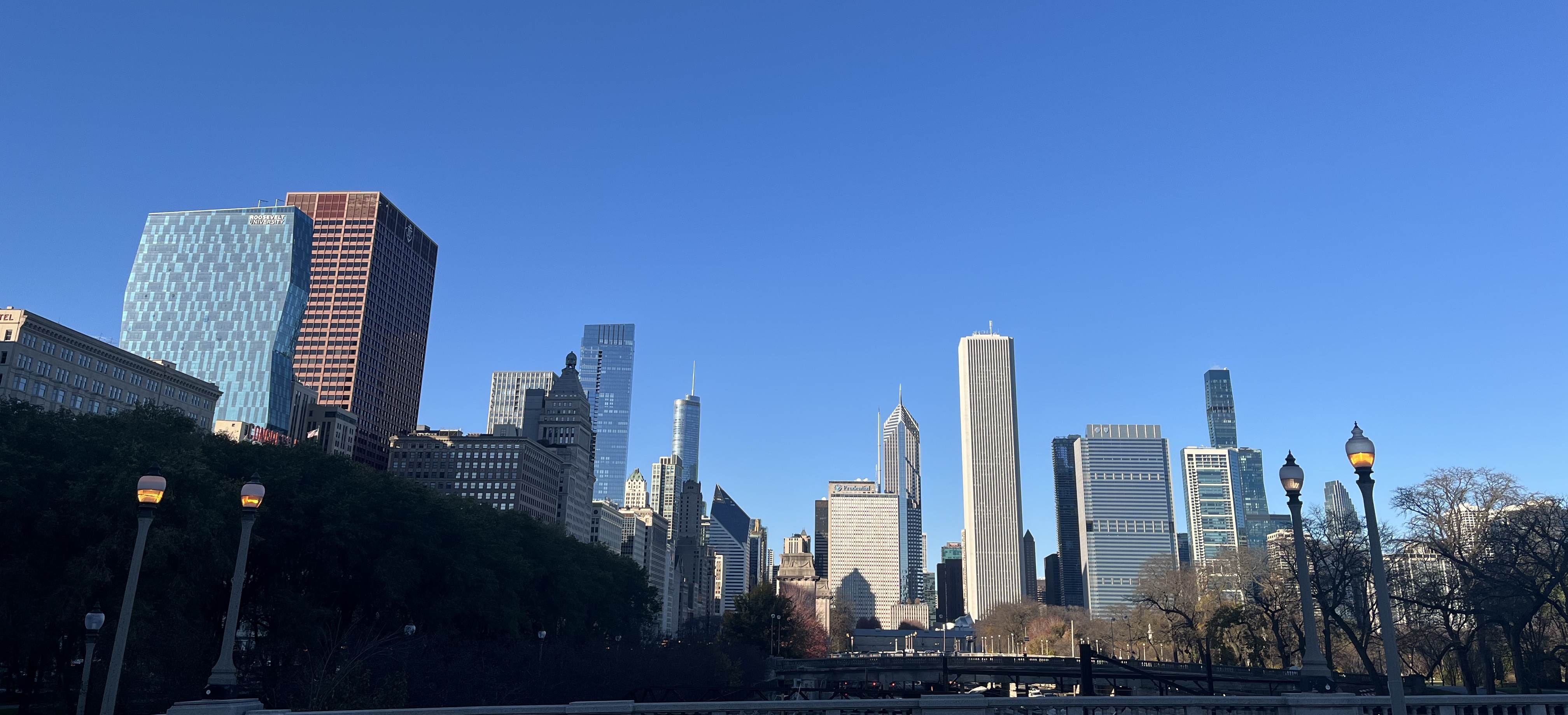
Supercomputing came to Chicago this year, bringing with it some winds of change to the Windy City. StackHPC's team were active participants in the conference and side events, and brought home the latest news on open infrastructure for HPC-AI clouds.
Supercomputing: Bigger but Smaller
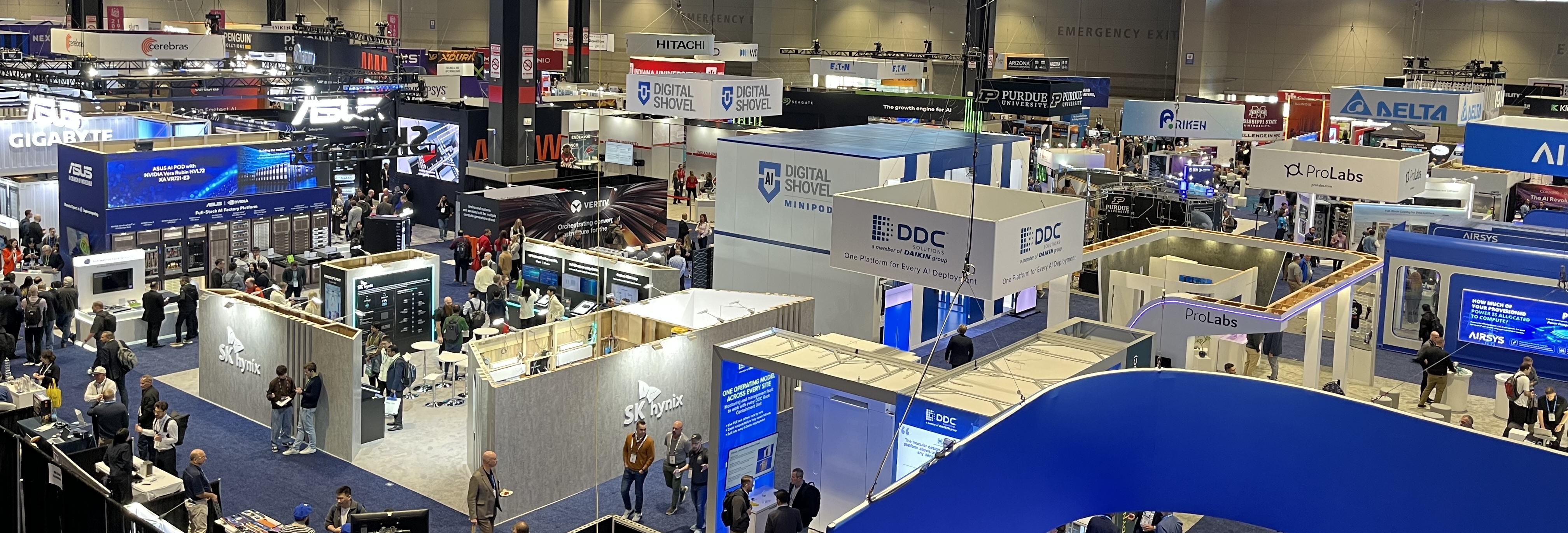
The event is bigger than ever, with a reported 23,000 attendees. This marks a substantial increase over previous years. Supercomputing remains the de facto event of the HPC calendar.
However, a telling statistic arose from the TOP500 list of the world's most powerful supercomputers: the number of changes in the 500-strong list since June 2026 was 27 systems. This is an historic low, far less than the trend of recent years. The inevitable conclusion is that this trend is the consequence of astronomical rises in hardware pricing over recent years.
The buoyancy of the AI market is driving everything at Supercomputing, and open infrastructure (such as OpenStack) is playing a role in AI infrastructure management.
Open Source and Sovereign Infrastructure for HPC and AI
StackHPC's CTO Stig Telfer moderated a birds-of-a-feather session on open infrastructure, with a panel of experts from some pioneering institutions in this field:
- Jonathan Mills, NASA Goddard Spaceflight Center
- Mike Lowe, Indiana University
- Elias Wimmer, Austrian Scientific Computing
- Wojciech Turek, Cambridge University
- Sadaf Alam, Bristol Centre for Supercomputing
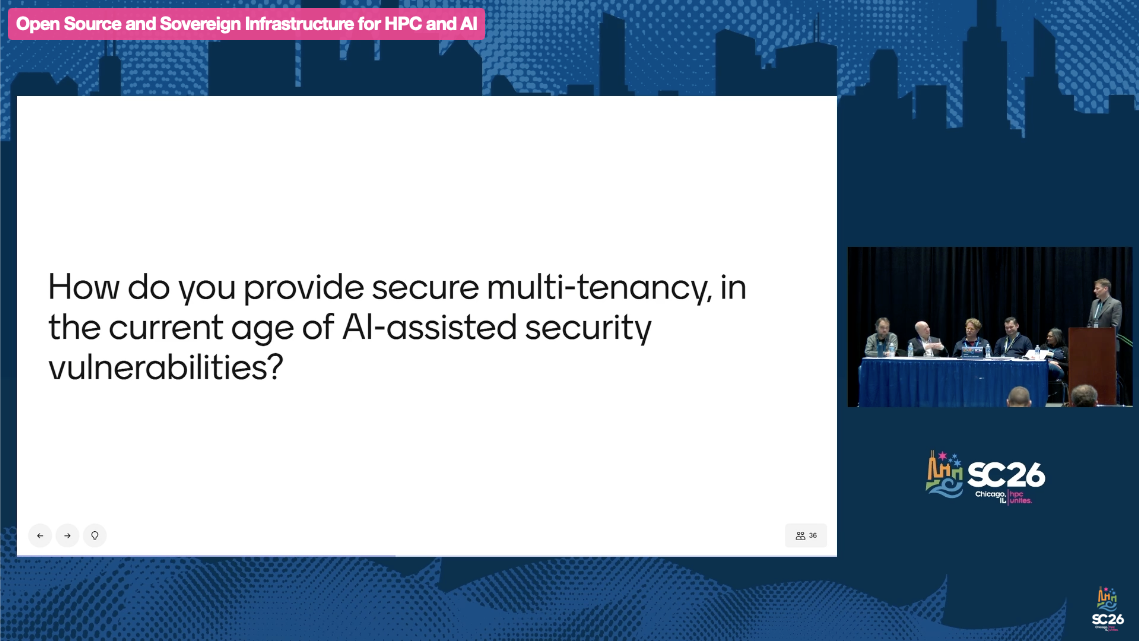
The panel and audience were faced with questions such as "where are things going wrong in open source, and where are things going right?", "how do you provide secure multi-tenancy in the current age of AI-assisted security vulnerabilities?", and "is there still a point to open source projects when AI can create for us more or less anything we can describe?".
Open Infra Day North America
The Open Infrastructure Foundation held a one-day companion event dedicated to open infrastructure. The event was well attended and the schedule included some excellent content.
StackHPC's team all gave presentations of their recent work and areas of expertise:
- Stig Telfer (with Wojciech Turek of Cambridge University): Zenith - Cambridge’s Sovereign AI & HPC.
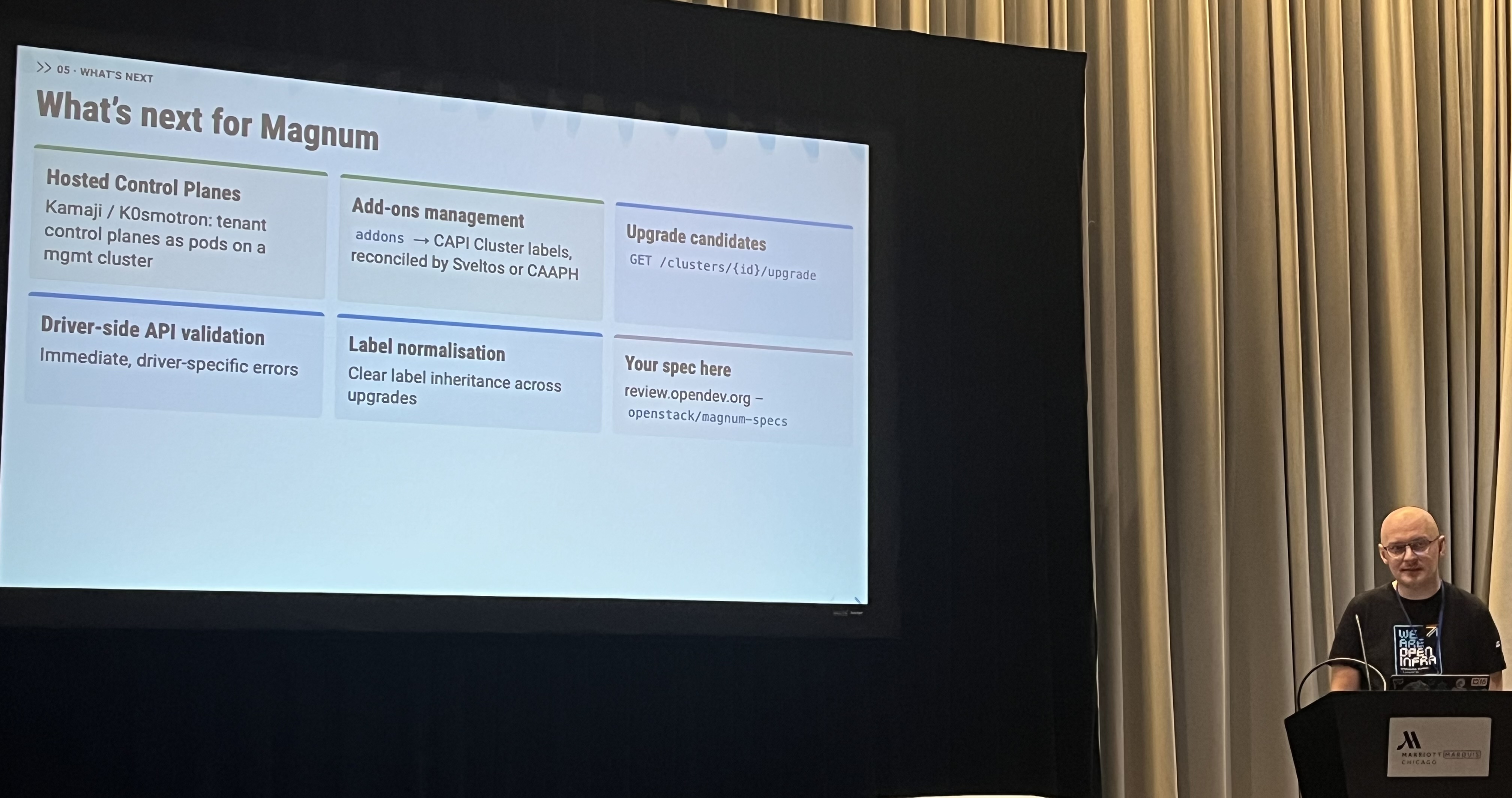
- Michal Nasiadka: Magnum After Heat: Pluggable Cluster API Drivers and the Road to Self-Managing Kubernetes.
- Bartosz Bezak (with Elias Wimmer of Austrian Scientific Computing): Running a TOP500-Class AI/HPC Cloud with OpenStack Ironic, Slurm, and Kubernetes.
- Michal Nasiadka and Bartosz Bezak: Kolla User Forum.
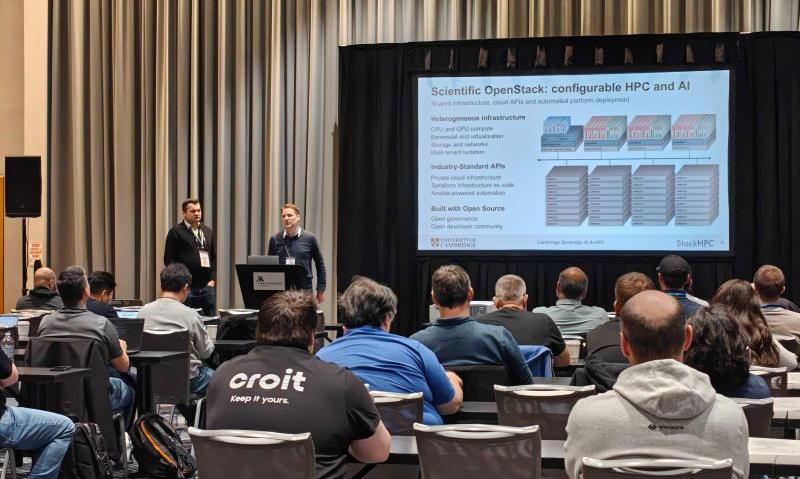
The event was a great opportunity to meet and connect with OpenStack and open infrastructure users from around the world. Michal's presentation on Magnum's development roadmap brought contact with new Magnum users looking to take advantage of the latest features.
Get in touch
Reach out to us via Bluesky, LinkedIn or directly via our contact page.